
Table of Contents
Vietnam stretches from misty northern mountains to tropical islands, gathering immense variety into one long, slender country. Its landscapes contain giant caves, limestone towers, fertile deltas, coral reefs, and habitats for animals found nowhere else. Its cities add imperial citadels, sidewalk cafés, lively markets, and traditions shaped by centuries of exchange.
These interesting facts about Vietnam explore far more than familiar images of rice fields and conical hats. You will meet an elusive “Asian unicorn,” learn why puppeteers stand waist-deep in water, discover how economic reforms transformed the country, and trace a history of kingdoms, resistance, colonial rule, division, and reunification.
Vietnam Fast Facts
| Official Name | Socialist Republic of Vietnam |
| Form of Government | One-party socialist republic |
| Capital | Hanoi |
| Population | 102.3 million (2026) |
| Official Language | Vietnamese |
| Money | Vietnamese đồng (VND) |
| Area | About 331,000 sq. km (127,800 sq. mi) |
| Major Mountain Ranges | Annamite Range: 1,100 km (680 mi) Hoang Lien Son Range: 180 km (110 mi) Northeastern Mountain Zone: 35,000 sq. km (13,500 sq. mi) |
| Major Rivers | Mekong River: 4,350 km (2,700 mi) Red River: 1,149 km (714 mi) Dong Nai River: 586 km (364 mi) Ca River: 513 km (319 mi) Ma River: 512 km (318 mi) |
| Country Code | +84 |
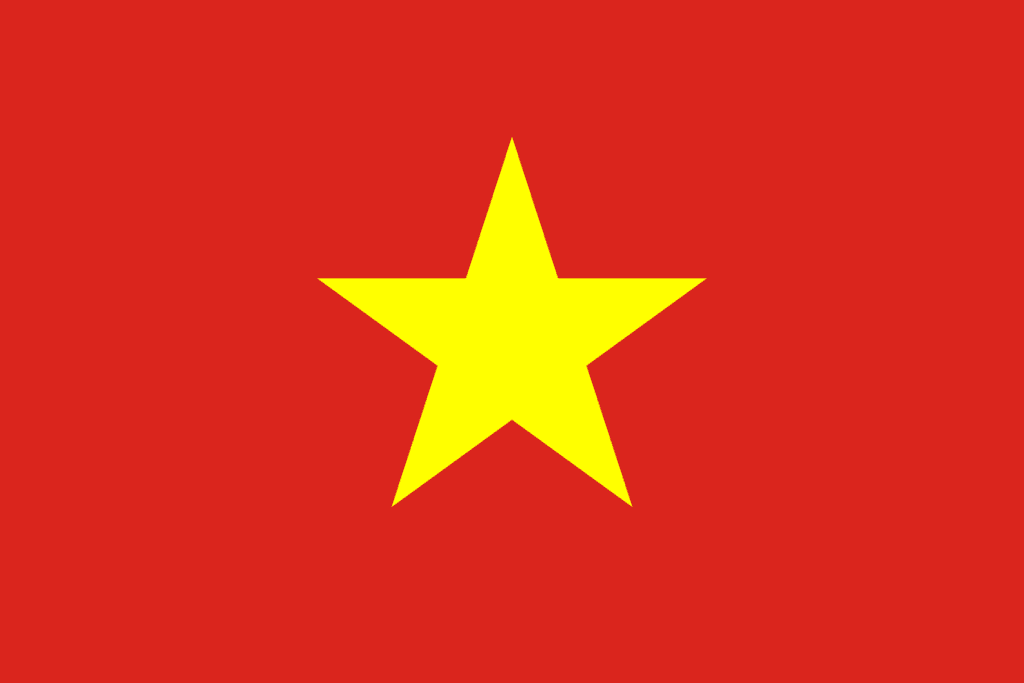
Vietnam Flag
Vietnam Interesting Facts: Geography
1. Vietnam Forms a Long, Narrow S Along Southeast Asia – From north to south, the country extends roughly 1,650 kilometers (1,025 miles), yet its central waist narrows to only about 50 kilometers (31 miles). That unusual shape produces sharp regional contrasts, including cool northern winters, hot southern lowlands, and a storm-exposed central coast.
2. Vietnam Has More Than 3,000 Kilometers of Coastline – Its mainland coast runs for over 3,200 kilometers (about 2,000 miles) along the Gulf of Tonkin, the East Sea, and the Gulf of Thailand. Beaches, lagoons, mangroves, fishing grounds, and busy ports therefore play an unusually large role in the life of this land-based Southeast Asian nation.
3. Fansipan Is the Highest Summit on the Indochinese Peninsula – Rising 3,143 meters (10,312 feet) in the Hoàng Liên Sơn range, Fansipan is often called the “Roof of Indochina.” Once reached mainly by a demanding multi-day trek, the mountain can now also be approached by a cable-car system that climbs above terraced valleys and cloud forest.
4. Hạ Long Bay–Cát Bà Contains 1,133 Islands and Islets – UNESCO’s expanded World Heritage property covers 65,650 hectares of sea and limestone landforms. Erosion has sculpted its densely clustered towers into arches, caves, pillars, and secluded lakes, creating one of Earth’s most spectacular examples of a tropical marine karst landscape.
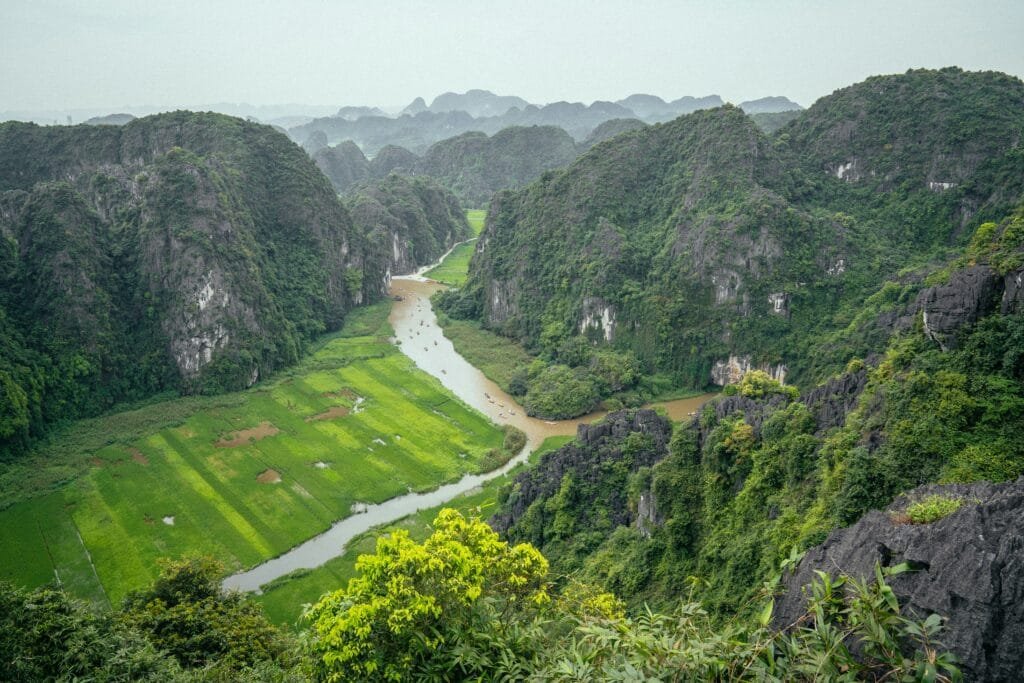
Mua Cave, Ninh Xuân, Ninh Bình, Vietnam
5.Sơn Đoòng Holds the World Record for a Cave Passage – Guinness World Records recognizes Hang Sơn Đoòng as the largest single cave passage by overall dimensions. The passage reaches roughly 200 meters (655 feet) high and 150 meters (490 feet) wide, while its surveyed length extends at least 6.5 kilometers (4 miles) beneath Phong Nha–Kẻ Bàng National Park.
6. Phong Nha–Kẻ Bàng Preserves Karst About 400 Million Years Old – This UNESCO-listed landscape contains one of Asia’s oldest major limestone regions. More than 104 kilometers (65 miles) of caves and underground rivers have been surveyed, revealing an evolving subterranean world of enormous chambers, unusual formations, and species specially adapted to darkness.
7. Bản Giốc Waterfall Spans an International Border – The Quây Sơn River drops across a broad series of limestone ledges where Vietnam meets China. At about 300 meters (984 feet) wide during its fullest flow, Bản Giốc is less a single curtain than a layered panorama of channels, green islands, mist, and rice-growing countryside.
8. Tràng An’s Valleys Can Be Crossed Through Mountains – Small boats travel along rivers that vanish into cave tunnels beneath limestone towers before emerging in enclosed valleys. Archaeological deposits show that people used this changing landscape for more than 30,000 years, helping Tràng An qualify as a rare UNESCO property recognized for both natural and cultural value.
9. Đắk Nông Has an Exceptional Network of Volcanic Caves – Ancient rocks in this UNESCO Global Geopark record a geological story stretching back roughly 200 million years. Much younger eruptions covered parts of the Central Highlands in basalt and formed craters, waterfalls, and what UNESCO describes as Southeast Asia’s most extensive volcanic-cave system, containing hundreds of caves.
10. The Mekong Delta Is a Maze Built by River Sediment – Near the end of its 4,900-kilometer (3,045-mile) journey, the Mekong divides into waterways that spread across southern Vietnam. The channels, canals, floodplains, and islands support orchards, aquaculture, floating commerce, and an immense rice economy, making the delta both a food basket and a living waterscape.
Fun Facts about Vietnam: Plants and Wildlife
11. The Saola Was Unknown to Science Until 1992 – Researchers examining hunters’ trophies in north-central Vietnam found unfamiliar long, nearly parallel horns and identified a new species related to wild cattle. Nicknamed the “Asian unicorn,” the forest-dwelling saola lives only in the Annamite Mountains of Vietnam and Laos and remains so elusive that confirmed observations are exceptionally rare.
12. Vietnamese Mossy Frogs Disappear Against Wet Rock – This northern Vietnamese amphibian has green, brown, and black skin covered in knobs and folds. Its texture resembles moss growing on stone, while its coloration breaks up the outline of its body. When the frog crouches among damp rocks and vegetation, even nearby predators can struggle to distinguish animal from background.
13. A Painted Primate Lives Beside Đà Nẵng – The red-shanked douc has maroon lower legs, white forearms, a golden face, and a long white tail, earning comparisons to a carefully dressed performer. One of its most important remaining habitats is the forested Sơn Trà Peninsula, a green headland visible from Vietnam’s fast-growing coastal city of Đà Nẵng.
14. The Tonkin Snub-Nosed Monkey Exists Only in Northern Vietnam – With pale blue facial skin, dark eye patches, and an upturned nose, this critically endangered primate looks unlike any other monkey. Conservation surveys in Hà Giang have found that a protected population increased substantially after 2002, offering a rare hopeful chapter in the story of Vietnam’s threatened limestone-forest wildlife.
15. Côn Đảo Is Vietnam’s Most Important Sea-Turtle Nursery – Green turtles return to quiet island beaches to dig nests, usually after dark. Rangers relocate vulnerable clutches to protected hatcheries, monitor nesting females, and release hatchlings toward the sea. Côn Đảo’s beaches account for the great majority of recorded sea-turtle nesting activity in Vietnam.
16. Cần Giờ’s Mangroves Made a Remarkable Recovery – Wartime herbicides severely damaged forests southeast of Ho Chi Minh City, but decades of restoration helped create Vietnam’s largest rehabilitated mangrove area. Now a UNESCO biosphere reserve, Cần Giờ contains mudflats, salt marshes, seagrass, and tangled tidal forest that shelter fish, shellfish, birds, reptiles, and mammals.
17. Phong Nha–Kẻ Bàng Is Rich Above Ground as Well as Below – The park’s famous caves sit beneath forests containing hundreds of plant species endemic to Vietnam and dozens of animals restricted to the Annamite region. Its wildlife includes threatened langurs, gibbons, muntjacs, and the saola, demonstrating that the limestone landscape is simultaneously a geological archive and a biodiversity refuge.
18. Núi Chúa Joins Dry Forest to Coral Reef – This UNESCO biosphere reserve occupies one of Vietnam’s driest regions, yet its ecological range is striking. Semi-arid vegetation and tropical dry forest descend toward seagrass beds, sea-turtle nesting beaches, and reefs containing more than 300 reef-building coral species, linking mountain, coast, and sea within one protected landscape.
19. Siamese Crocodiles Have Returned to Cát Tiên – Once lost from much of their former range, critically endangered Siamese crocodiles were reintroduced to Bau Sau, or Crocodile Lake, in Cát Tiên National Park. Breeding in the wild showed that the restoration effort could work, making the wetland an important stronghold for one of the world’s rarest crocodilians.
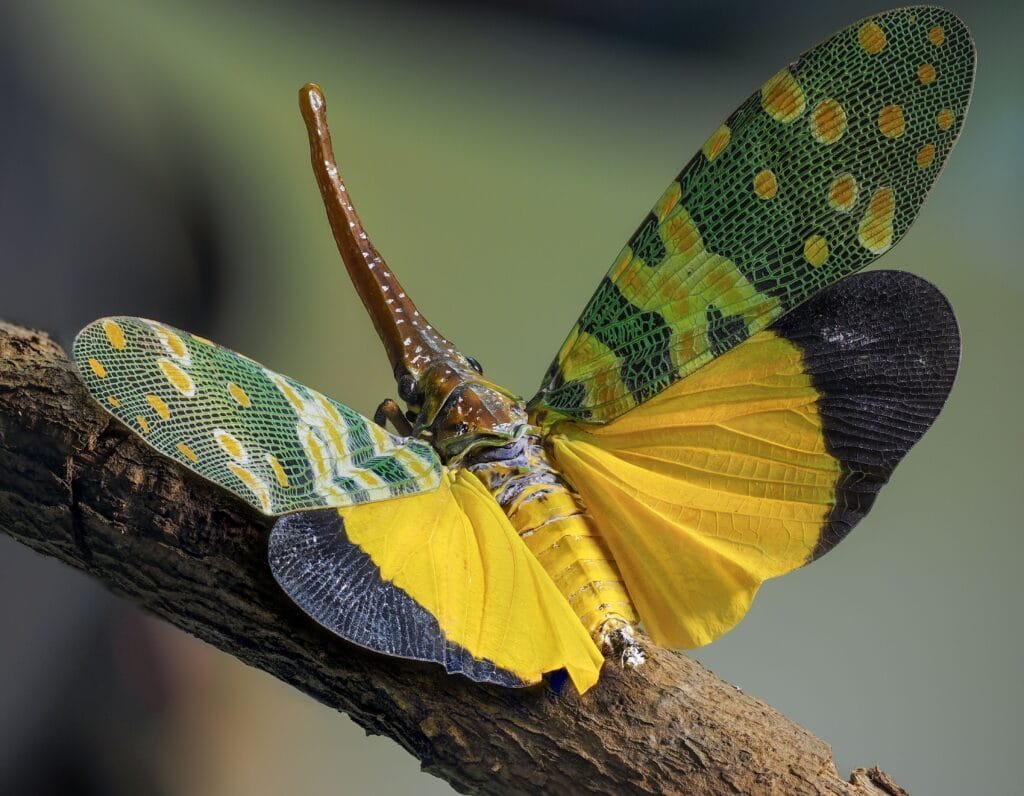
20. Ngọc Linh Ginseng Is a Plant Found Only in Vietnam – Known scientifically as Panax vietnamensis, this slow-growing medicinal plant occurs naturally in cool, moist mountain forest in central Vietnam. Its rarity, restricted habitat, and long history of local use have made the root exceptionally valuable, while cultivation projects aim to meet demand without exhausting wild populations.
Cool Facts about Vietnam: Culture
21. Vietnamese Writing Uses a Distinctive Latin-Based Alphabet – Modern quốc ngữ employs Roman letters supplemented by special vowel marks and tone symbols. A single written syllable can carry several marks at once, allowing spelling to show both vowel quality and tone. The system spread widely during the twentieth century and replaced older writing traditions based largely on Chinese characters.
22. Vietnam Officially Recognizes 54 Ethnic Groups – The Kinh form the large majority, while 53 minority peoples contribute their own languages, clothing, architecture, farming knowledge, festivals, and religious practices. Communities including the Tày, Thái, Mường, Khmer, Hmong, Dao, Cham, and Ê Đê make Vietnam’s cultural landscape far more varied than a single national identity suggests.
23. Water Puppeteers Perform While Standing in a Pool – In múa rối nước, performers remain behind a screen and manipulate buoyant fig-wood puppets with submerged bamboo rods and strings. Music, percussion, splashing water, and lacquered characters animate scenes of fishing, rice planting, dragon dances, and village legends—a theatrical form rooted in the flooded landscapes of northern Vietnam.
24. The Áo Dài Evolved From Court Dress to National Symbol – An eighteenth-century front-buttoned gown helped inspire the modern áo dài, while designers in the 1930s reshaped it into a fitted tunic worn over trousers. Today men and women wear versions for weddings, festivals, ceremonies, and photographs, and the garment continues to change with fabric, cut, and fashion.
25. Tết’s First Visitor May Be Chosen in Advance – Many families believe the first person to cross their threshold in the lunar new year can influence the household’s fortunes. A respected or successful relative may therefore receive an invitation. Children also receive red envelopes of lucky money, while sweeping is avoided because it could symbolically brush good fortune away.
26. Egg Coffee Began as a Solution to a Milk Shortage – Hanoi’s cà phê trứng emerged in 1946, when fresh milk was difficult to obtain. Whipped egg yolk and condensed milk produced a thick, sweet foam that could crown strong coffee. The improvisation became a city specialty whose custard-like top contrasts with the dark, intense brew underneath.
27. Bánh Mì Turned a French Baguette Into a Vietnamese Icon – The sandwich begins with airy, crisp-crusted bread, then layers in local flavors such as pâté, grilled pork, cold cuts, pickled carrot and daikon, cucumber, cilantro, chili, and savory sauces. Vendors adapt the fillings from region to region, making bánh mì both a colonial-era inheritance and an unmistakably Vietnamese creation.
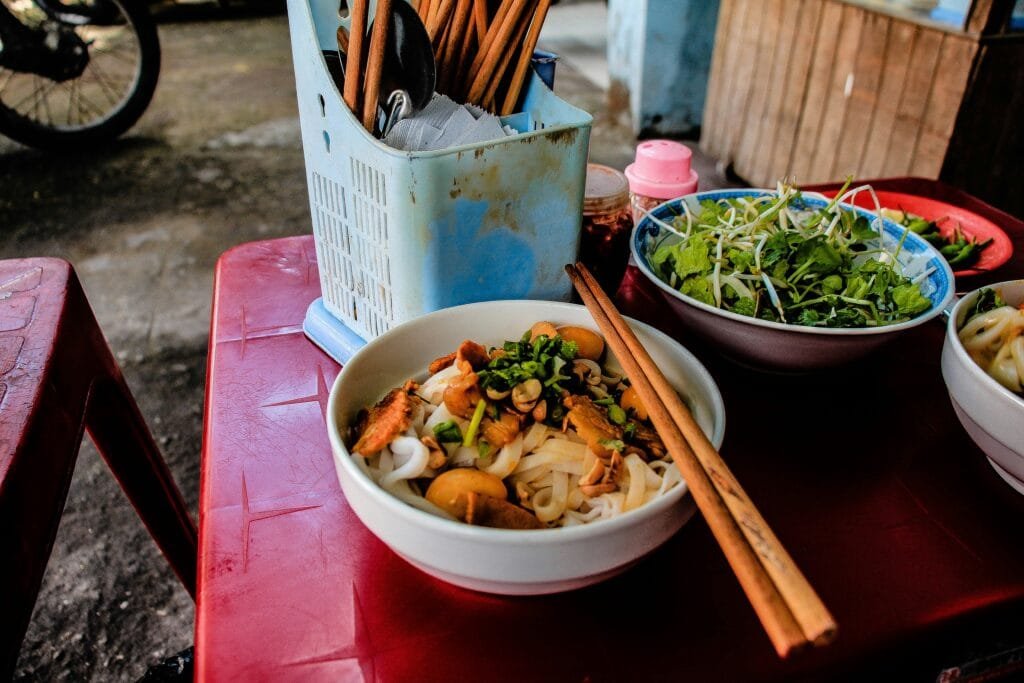
28. Phở Changes Character From North to South – Northern bowls are often prized for clear, delicately seasoned broth and restrained garnishes. Southern versions commonly arrive sweeter and with abundant herbs, bean sprouts, lime, and sauces. Beef is famous, but chicken phở has its own devoted following, and local variations reveal how one celebrated noodle soup contains many traditions.
29. Central Highland Gongs Belong to Ceremonies, Not Just Concerts – Among numerous ethnic communities, gong ensembles accompany rituals connected with harvests, births, funerals, communal gatherings, and spiritual life. UNESCO recognizes the entire “space of gong culture,” emphasizing that the heritage includes performers, instruments, beliefs, oral knowledge, and the social settings in which the music carries meaning.
30. Hội An Preserves the Architecture of an International Port – Between the fifteenth and nineteenth centuries, traders from China, Japan, Europe, and elsewhere exchanged goods in this riverside town. Its wooden shophouses, temples, assembly halls, bridges, and street plan preserve that cultural mixture, while generations of local adaptation created a town that is neither wholly foreign nor purely indigenous.
Vietnam Facts: Government & Economy
31. Vietnam Reorganized Its Local Government in 2025 – A nationwide overhaul reduced the number of provinces and centrally governed cities from 63 to 34. It also abolished district-level administrations, leaving provincial and commune levels in a two-tier system. The change redrew familiar maps and represented one of the country’s largest administrative restructurings in modern times.
32. The National Assembly Elects Vietnam’s President – Vietnam’s constitution identifies the National Assembly as the highest representative body of the people and the highest organ of state power. The president serves as head of state but is elected from among Assembly deputies, while the government acts as the executive body and administers national policy.
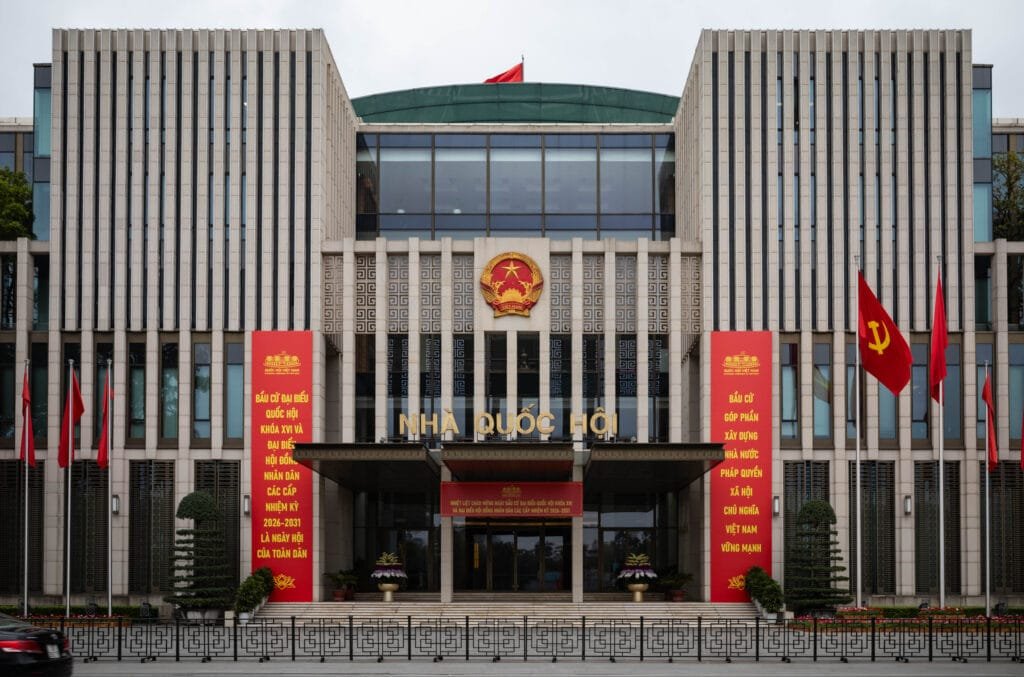
33. One Party Has a Constitutionally Defined Leadership Role – The Communist Party of Vietnam is described in the constitution as the force leading the state and society. Elections select members of the National Assembly and local representative bodies, but political competition does not operate through a multiparty system like those found in many parliamentary or presidential republics.
34. The Vietnamese Đồng Uses Very Large Denominations – Everyday prices can run into tens or hundreds of thousands because one đồng is a small unit of value. Modern notes include durable polymer issues, and the highest commonly circulating denomination is 500,000 đồng. This makes careful attention to strings of zeros an essential skill for first-time visitors.
35. Đổi Mới Transformed the Economy Beginning in 1986 – The policy of “renovation” moved Vietnam away from rigid central planning toward a more market oriented system while retaining socialist political leadership. Agricultural incentives, private enterprise, foreign investment, and expanding trade helped transform one of the world’s poorest countries into a dynamic middle-income economy within a generation.
36. Vietnam Is the World’s Leading Robusta Coffee Producer – The country ranks second in total coffee production behind Brazil but leads the robusta category. Much of the crop grows in the Central Highlands, where elevation, basaltic soil, and a pronounced dry season favor the hardy beans used in espresso blends, instant coffee, and Vietnam’s intensely flavored café drinks.
37. The Mekong Delta Produces Most of Vietnam’s Export Rice – The low southern delta accounts for more than half of national rice production and, in 2023, about 95 percent of rice exports. Farmers can harvest multiple crops in some areas, although saltwater intrusion, sinking land, drought, and changing river flows are pushing the region toward more resilient methods.
38. Foreign-Invested Companies Drive Much of Vietnam’s Export Trade – Electronics, phones, machinery, garments, footwear, furniture, and agricultural products move from Vietnamese factories and farms to markets worldwide. World Bank analysis found foreign firms accounted for 73 percent of exports, highlighting both the country’s global manufacturing role and the challenge of connecting more domestic suppliers to those chains.
39. An Agreement With the European Union Targets Nearly All Tariffs – The EU/Vietnam Free Trade Agreement entered into force in August 2020. Its phased commitments are designed to eliminate 99 percent of tariffs, reduce regulatory barriers, open selected services and procurement markets, and protect regional product names, giving Vietnam unusually deep trade access to the European bloc.
40. Vietnam Has Set a High-Income Goal for 2045 – The target coincides with the centenary of the modern state’s declaration of independence. Reaching it will require the export economy to move further beyond low-cost assembly into higher-value manufacturing and services, with better skills, technology, infrastructure, and stronger links between domestic businesses and multinational supply chains.
Information on Vietnam: History Facts
41. Đông Sơn Bronze Drums Traveled Far Beyond Northern Vietnam – Craftspeople of the Bronze and Iron Age Đông Sơn culture cast large drums decorated with boats, birds, warriors, and geometric patterns. Examples made in or inspired by northern Vietnam have been found across mainland and island Southeast Asia, showing how objects, techniques, and symbols circulated over remarkable distances two millennia ago.
42. The Trưng Sisters Led a Rebellion in 40 CE – Trưng Trắc and Trưng Nhị rallied communities against Han Chinese rule and captured dozens of strongholds. Their independent rule lasted only until 43 CE, but the sisters became enduring national heroines. Temples, festivals, streets, schools, and Hanoi’s Hai Bà Trưng district still preserve their names and story.
43. A Tidal Ambush on the Bạch Đằng River Secured Independence – In 938, Ngô Quyền’s forces planted sharpened stakes in the riverbed and drew an invading Southern Han fleet forward at high tide. When the water receded, the exposed obstacles trapped the ships for a Vietnamese counterattack, ending a long period of direct Chinese domination.
44. Hanoi’s Imperial Center Dates to the Lý Dynasty – Emperor Lý Thái Tổ transferred the capital to Đại La in 1010 and renamed it Thăng Long, meaning “Ascending Dragon.” Built over remains of an earlier Chinese fortress, its imperial citadel became a center of political power for nearly thirteen continuous centuries, leaving archaeological layers beneath the modern capital.
45. Vietnam Defeated Three Mongol-Led Invasions – Armies of the Trần dynasty resisted Yuan campaigns in 1258, 1285, and 1287–1288. The last ended with another victory on the Bạch Đằng River, where hidden stakes, tides, and a planned retreat helped destroy an enemy fleet. The campaigns remain celebrated examples of strategy against a much larger imperial power.
46. Huế Became the Capital of Unified Vietnam in 1802 – Gia Long, first emperor of the Nguyễn dynasty, established his court beside the Perfume River. The planned complex included a fortified capital, Imperial City, palaces, temples, and royal tombs. Huế remained Vietnam’s political, cultural, and religious center under the country’s final royal dynasty until 1945.
47. French Indochina Joined Vietnam With Neighboring Territories – France created the Indochinese Union in 1887, combining its Vietnamese possessions with Cambodia; Laos joined later. Colonial rule reshaped administration, education, transport, cities, and export agriculture, while unequal landholding and political repression encouraged reform movements and increasingly organized campaigns for independence.
48. Independence Was Proclaimed in Hanoi on September 2, 1945 – After Japan’s surrender ended its wartime occupation, Hồ Chí Minh announced the Democratic Republic of Vietnam in Ba Đình Square. France attempted to restore colonial authority, and the resulting First Indochina War continued until the decisive Vietnamese victory at Điện Biên Phủ in 1954.
49. Điện Biên Phủ Was a Land Battle Around a Remote French Base – Vietnamese forces hauled artillery through steep mountains, dug extensive trenches, and gradually encircled the fortified valley. The garrison surrendered on May 7, 1954. The defeat accelerated negotiations in Geneva, after which Vietnam was temporarily divided near the seventeenth parallel pending a political settlement.
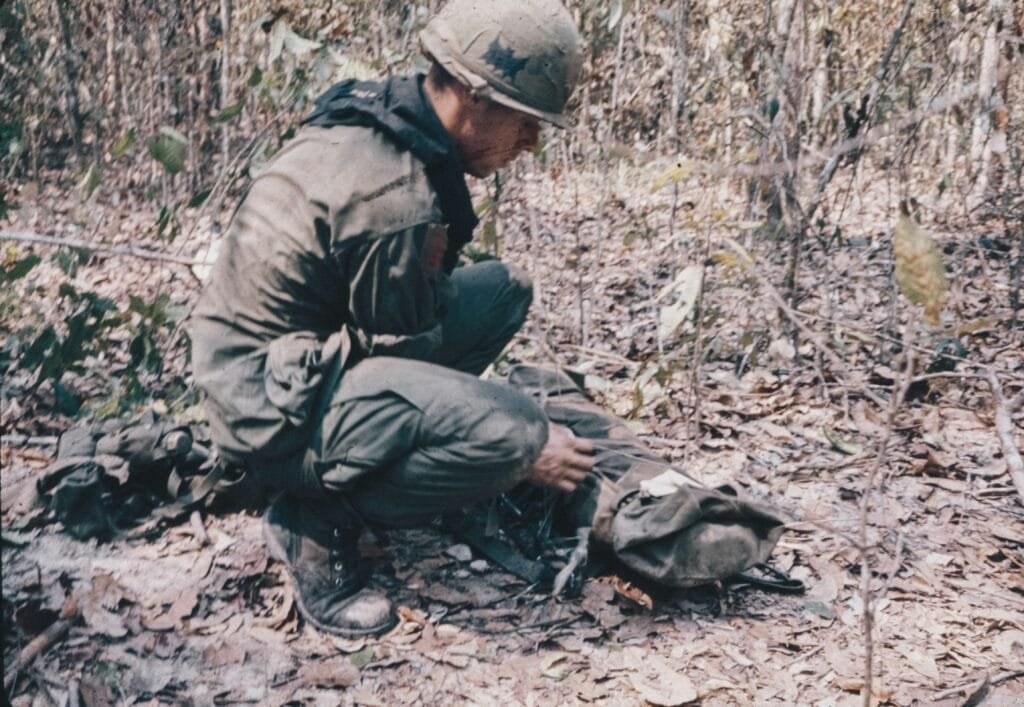
50. Vietnam Reunified After Three Decades of Revolutionary War – The long conflict between the northern and southern governments ended when northern forces entered Saigon on April 30, 1975. The following year, the country was formally reunified as the Socialist Republic of Vietnam, and Saigon was officially renamed Ho Chi Minh City, although its former name remains widely used.