
Table of Contents
Arizona is a state shaped by towering mountains, vast deserts, deep canyons, pine-covered plateaus, and some of the fastest-growing cities in the United States. From the mile-deep Grand Canyon and the giant saguaros of the Sonoran Desert to the red rocks of Sedona, the snowy peaks near Flagstaff, and sprawling metropolitan areas like Phoenix and Tucson, the Grand Canyon State contains an extraordinary amount of geographic and cultural variety.
In this article, we’ll explore 50 cool facts about Arizona covering its geography, plants and wildlife, famous people, government and economy, and long history. Along the way, you’ll discover unusual landmarks, remarkable desert animals, influential Arizonans, powerful industries, major historical events, and plenty of surprising details about the 48th state admitted to the Union.
Arizona Facts – Quick Facts
| Population | 7,623,818 |
| Capital City | Phoenix |
| Statehood Granted | February 14, 1912 |
| Abbreviation | AZ |
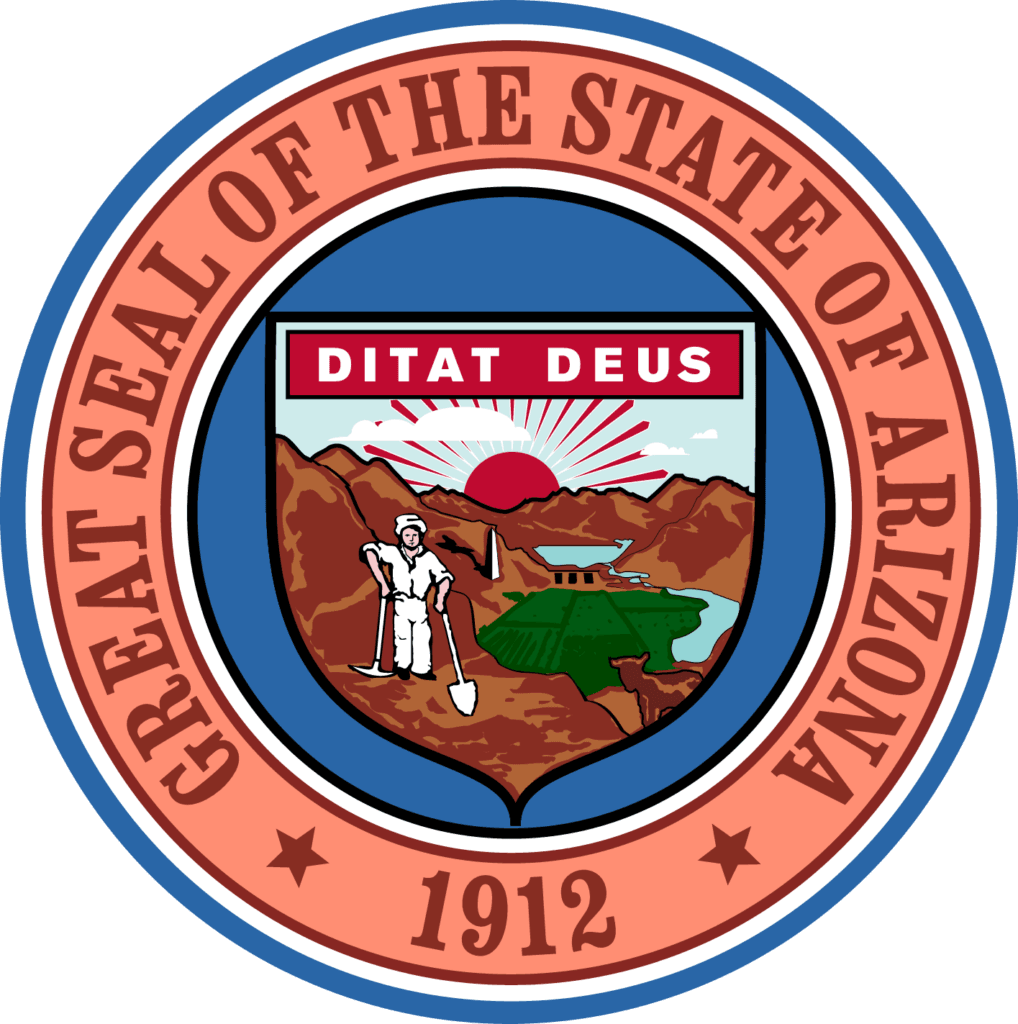
| State Motto | Ditat Deus (“God Enriches”) |
| State Nickname | The Grand Canyon State |
| State Bird | Cactus Wren |
| State Flower | Saguaro Blossom |
| State Fruit | Arizona has no officially designated state fruit |
| State Tree | Palo Verde |
| State Song | Arizona March Song |
| Major Airports | Sky Harbor International Airport (PHX) Tucson International Airport (TUC) Phoenix-Mesa Gateway Airport (AZA) |
| Major Sports Teams | Arizona Cardinals (NFL) Arizona Diamondbacks (MLB) Phoenix Suns (NBA) |
| Largest College | Arizona State University |
| Area Codes | Phoenix, Mesa & Glendale: 480Phoenix, Mesa & Glendale: 602Phoenix, Mesa & Glendale: 623Tucson, Casa Grande & Sierra Vista: 520Flagstaff, Yuma & Prescott: 928 |
| Zip Codes | Texas has 567 Zip Codes ranging from 85001 up to 86556 |
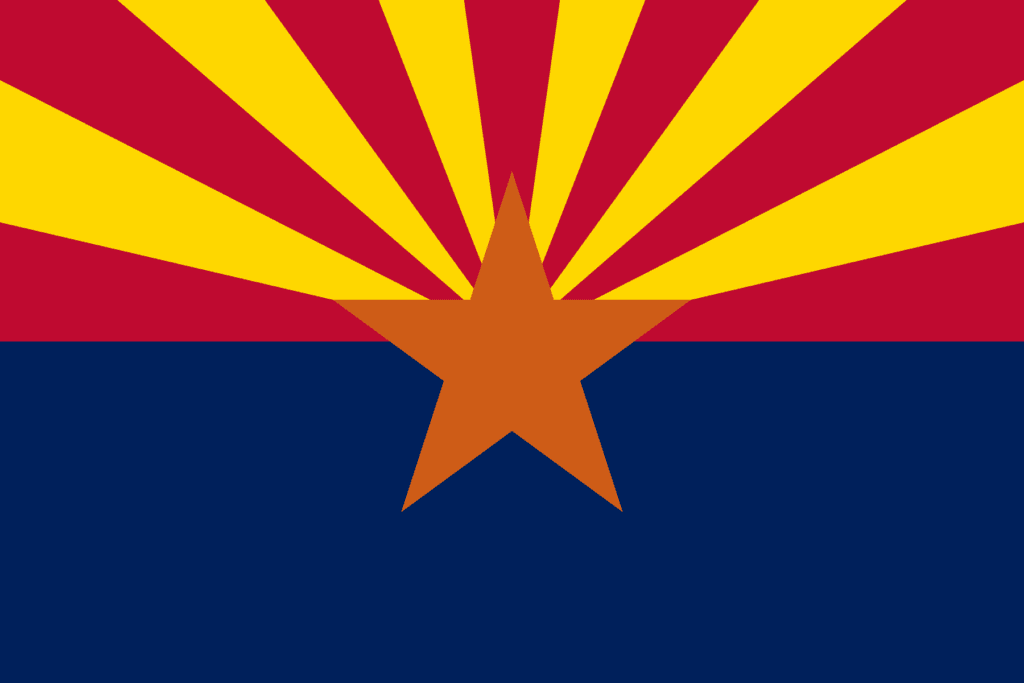
Arizona State Flag
Arizona State Seal
Governor Of Arizona

How did Arizona get it’s name?
Arizona’s name most likely developed from alĭ ṣonak, an O’odham expression commonly translated as “small spring.” Spanish speakers adapted the name into forms such as Arizonac and Arissona, initially using it for a place near a silver-mining district in what is now Sonora, Mexico.
The origin is not completely settled. A competing explanation connects the name with the Basque words haritz ona, or “good oak.” The familiar claim that “Arizona” comes from the Spanish phrase zona árida, meaning “arid zone,” is generally considered a folk explanation rather than the true origin
Fun Facts About Arizona: Geography
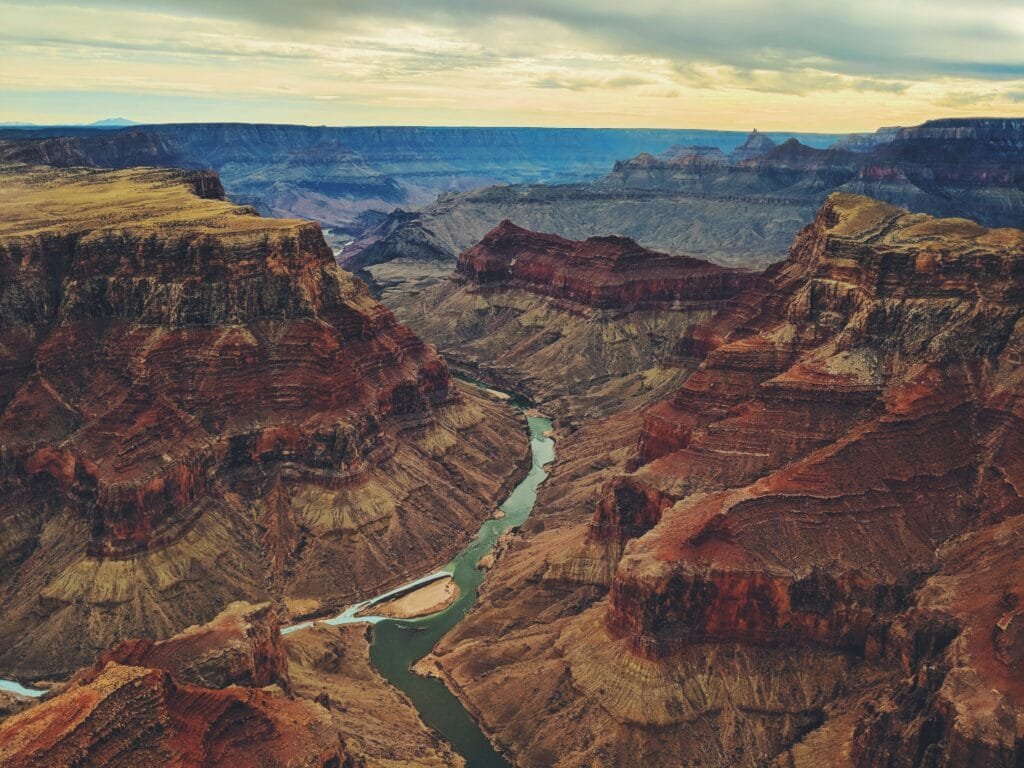
1. The Grand Canyon Is Deeper Than a Stack of Four Empire State Buildings — The Grand Canyon stretches approximately 277 miles through northern Arizona and averages about 4,000 feet deep. At its deepest point, the canyon reaches roughly 6,000 feet, while the distance between its rims expands to as much as 18 miles, according to the National Park Service.
2. Arizona Rises From a Riverbank to a 12,633-Foot Summit — The state’s lowest elevation is about 70 feet above sea level along the Colorado River near the Mexican border. Its highest point, Humphreys Peak north of Flagstaff, reaches 12,633 feet and supports alpine tundra, a landscape few people expect to find in Arizona.
3. Four States Meet at One Arizona Corner — Northeastern Arizona touches Utah, Colorado, and New Mexico at Four Corners, the only point in the United States where four state boundaries intersect. Visitors can place one hand or foot in each state, although the monument itself lies within the Navajo Nation and is managed by the Navajo people.
4. Desert “Seas” Surround Arizona’s Sky Islands — Southeastern Arizona contains isolated mountain ranges that rise more than 6,000 feet above the desert floor. Known as Sky Islands, these ranges create cool, forested habitats separated by hot lowlands, allowing temperate and subtropical species to live surprisingly close together.
5. A City-Destroying Asteroid Blasted Out Meteor Crater — About 50,000 years ago, an iron-nickel asteroid roughly 100 to 170 feet wide struck northern Arizona. The collision excavated approximately 175 million metric tons of rock and left a crater about three-quarters of a mile across and 600 feet deep, according to NASA.
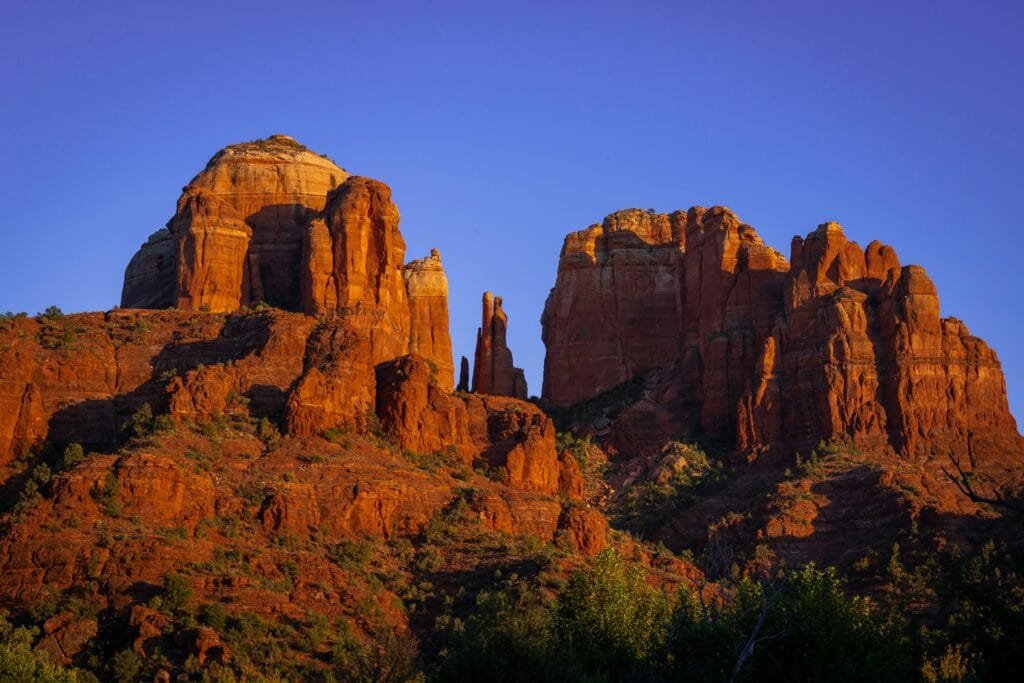
6. A Volcano Remodeled Northern Arizona Less Than 1,000 Years Ago — Sunset Crater erupted sometime around 1085, covering the surrounding landscape in lava and cinders. The cone rises about 1,000 feet above its base, unusually tall for a cinder cone, and its fragile slopes have been closed to hikers since 1973 to prevent erosion.
7. Arizona Trees Turned to Stone More Than 200 Million Years Ago — Logs in Petrified Forest National Park were buried by sediment before they could decay. Silica dissolved from volcanic ash entered their cells and gradually crystallized, replacing the original organic material while preserving details such as bark, growth rings, and internal wood structure.
8. Two Explorers Kept a Spectacular Cave Secret for Years — Gary Tenen and Randy Tufts discovered Kartchner Caverns in 1974 while searching for an unknown cave in the Whetstone Mountains. They quietly protected its location and did not tell the property owners until 1978, beginning a long effort to preserve the delicate living formations inside.
9. London Bridge Was Reassembled in the Arizona Desert — Entrepreneur Robert McCulloch purchased the 19th century London Bridge from the City of London and moved it to Lake Havasu City. Workers numbered its 10,276 exterior granite blocks before reconstructing the 930 foot bridge between 1969 and 1971 around a modern concrete structure.
10. The Mogollon Rim Forms a 200-Mile Wall Across the State — This enormous escarpment cuts across central Arizona and marks the southern edge of the Colorado Plateau. In some places, its cliffs rise roughly 2,000 feet above the country below, creating a striking boundary between high pine forests and warmer desert and grassland ecosystems.
Interesting Facts About Arizona: Nature
11. A Saguaro Can Live for Two and a Half Centuries — Saguaros grow slowly and may take decades to develop their first arm, especially in dry locations. Mature plants can reach tree-like proportions and live as long as 250 years, while their white, waxy blossoms provide food for bats, birds, bees, and other desert animals.
12. Cactus Wrens Build Fortified Homes Among the Spines — Arizona’s state bird weaves football-sized nests from grass and plant fibers, often placing them inside protective cholla cacti. Cactus wrens may use separate nests for raising young and sleeping, and a breeding pair can occasionally produce three broods during a single year.
13. Gila Monsters Spend About 95 Percent of Their Lives Underground — Arizona’s heavy-bodied orange-and-black lizards avoid desert extremes by remaining inside burrows for most of the year. The Gila monster is the only venomous lizard native to the United States, but it moves slowly and typically bites people only when handled or threatened.
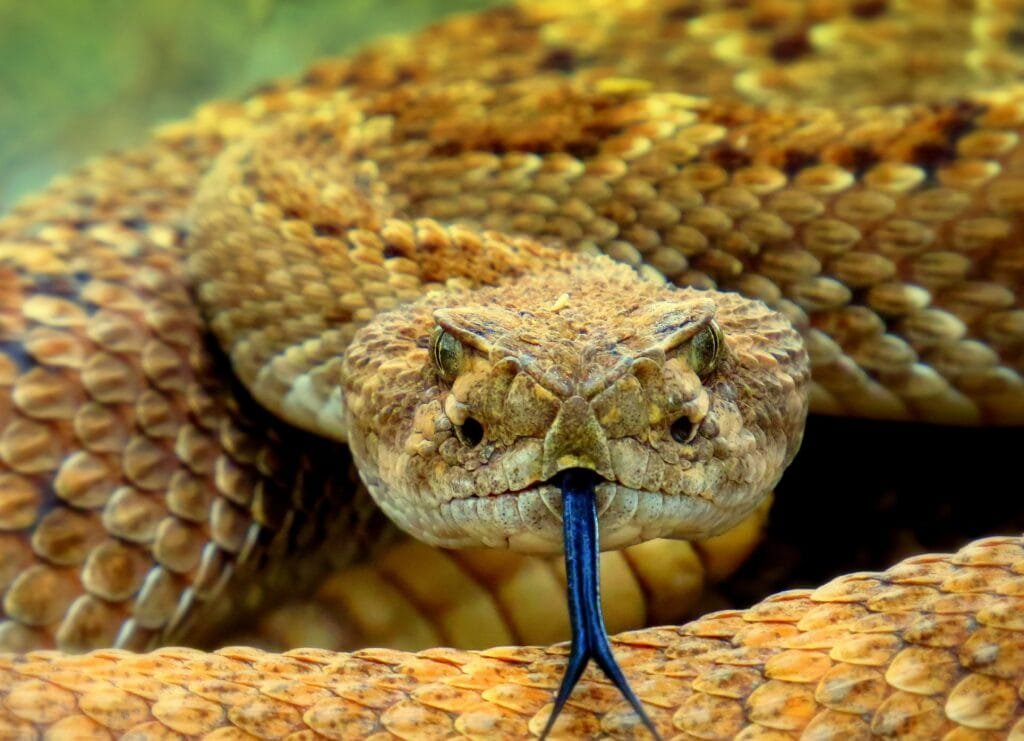
14. Arizona Has More Rattlesnake Species Than Any Other State — Thirteen rattlesnake species occur within Arizona, ranging from the widely distributed western diamondback to the small, highly specialized ridge-nosed rattlesnake. Different species occupy deserts, rocky slopes, grasslands, forests, and mountain habitats, reflecting the state’s extraordinary ecological variety.
15. The Apache Trout Exists Nowhere Else in the World — This golden native trout evolved in cold White Mountain streams and became one of the first animals protected under the Endangered Species Act. Tribal, state, and federal recovery work restored enough populations for the fish to be removed from the endangered-species list in 2024.
16. California Condors Returned to Arizona After Nearly 80 Years — Six captive-bred condors were released at Vermilion Cliffs in December 1996, returning the enormous birds to Arizona skies. The project helped rebuild a species that had fallen to just 22 surviving individuals worldwide during the 1980s.
17. Mexican Wolves Came Back From a Seven-Animal Gene Pool — A binational breeding program founded with only seven Mexican wolves prevented the subspecies from disappearing. Eleven wolves were released into eastern Arizona in 1998, marking the first time in roughly 30 years that Mexican wolves again lived wild in the United States.
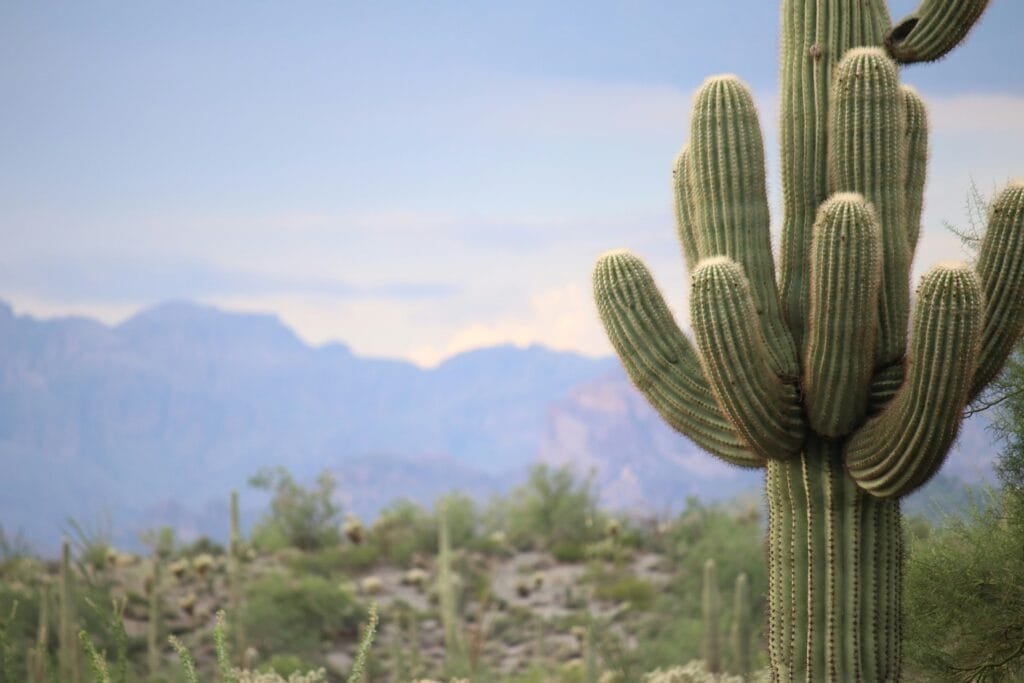
18. Migrating Bats Help Keep Arizona’s Desert in Bloom — Lesser long-nosed bats travel north from Mexico and feed on nectar from saguaros, organ pipe cacti, and agaves. Pollen sticks to their faces and fur as they visit flowers, allowing these nocturnal mammals to pollinate plants across long stretches of the Sonoran Desert.
19. Javelinas Are Not Wild Pigs — Although their snouts, hooves, and compact bodies make them look pig-like, javelinas are collared peccaries from a different biological family. They communicate with grunts and scent markings, travel in social groups called squadrons, and can eat prickly pear pads despite their formidable spines.
20. Arizona’s Bark Scorpions Glow Under Ultraviolet Light — Scorpions contain compounds in their outer covering that fluoresce brightly under a black light, making nighttime searches surprisingly effective. The Arizona bark scorpion is the state’s most medically significant species, but it normally hides beneath rocks, bark, firewood, and other sheltered objects during daylight.
Random Facts About Arizona: Famous People
21. Sandra Day O’Connor Broke Barriers in Arizona Before Joining the Supreme Court — Raised on a 198,000-acre ranch straddling the Arizona–New Mexico border, O’Connor became the nation’s first female state senate majority leader in 1972. Nine years later, she became the first woman appointed to the U.S. Supreme Court.

22. César Chávez Was Born Near the Fields He Later Fought to Reform — Chávez was born outside Yuma in 1927 and worked as a migrant farm laborer after his family lost its property. He later co-founded the organization that became the United Farm Workers and used strikes, boycotts, marches, and fasting to improve conditions for agricultural workers.
23. Linda Ronstadt’s Tucson Roots Helped Shape a Boundary-Crossing Career — Born into a musical Mexican American family in Tucson, Ronstadt recorded rock, country, pop, folk, standards, and traditional Mexican music. She earned 11 Grammy Awards, and members of her touring band later helped form the Eagles.
24. Stevie Nicks Became the First Woman Inducted Into the Rock Hall Twice — The Phoenix-born singer entered the Rock and Roll Hall of Fame with Fleetwood Mac in 1998. Her 2019 induction as a solo artist made her the first woman honored twice, recognizing a career filled with distinctive vocals, mystical imagery, and enduring songwriting.
25. Steven Spielberg Practiced Filmmaking in the Arizona Desert — Spielberg spent formative years in Phoenix, where he made amateur movies with friends and fellow Scouts. His early science fiction feature, Firelight, was screened at a Phoenix theater in 1964, more than a decade before Jaws transformed him into one of Hollywood’s most influential directors.
26. Lynda Carter Went From Phoenix to Wonder Woman’s Invisible Jet — Born in Phoenix, Carter won Miss World USA in 1972 before securing the role that defined her career. From 1975 through 1979, she played Diana Prince and Wonder Woman, creating one of television’s most recognizable portrayals of a female superhero.
27. Emma Stone Used a Presentation to Pitch Her Move to Hollywood — Scottsdale-born Emma Stone performed in local youth theater before persuading her parents to let her pursue acting in California. As a teenager, she reportedly created a PowerPoint presentation titled “Project Hollywood.” She later won Academy Awards for La La Land and Poor Things.
28. Ira Hayes Helped Raise the Flag in One of America’s Most Famous War Photographs — Hayes was a member of the Gila River Indian Community and a Marine during World War II. He was one of the six servicemen photographed during the second flag-raising on Iwo Jima’s Mount Suribachi after days of brutal combat.
29. A Phoenix Native Helped Create Sesame Street — Television producer Joan Ganz Cooney was born in Phoenix in 1929. Her research into television’s educational potential helped inspire Sesame Street, which premiered in 1969 and used memorable characters, humor, music, and repetition to teach generations of young children.
30. Pat Tillman Left the NFL to Become an Army Ranger — After starring at Arizona State University, Tillman played safety for the Arizona Cardinals and set a franchise record with 224 tackles in 2000. Following the September 11 attacks, he turned down a multimillion-dollar contract, enlisted in the Army, and was killed by friendly fire in Afghanistan in 2004.
Arizona Facts: Government and Economy
31. Every Legislative District Elects Three State Lawmakers — Arizona’s Legislature contains 30 senators and 60 representatives. Each of the state’s 30 legislative districts elects one senator and two House members, producing a district structure different from states where upper- and lower-chamber districts cover separate geographic areas.
32. Voters Took Legislative Mapmaking Away From Lawmakers — In 2000, Arizona voters approved Proposition 106 and created an Independent Redistricting Commission. The five-member commission redraws congressional and state legislative districts after each census, replacing a system in which the Legislature controlled the maps.
33. Most of Arizona Refuses to Change Its Clocks — Arizona remains on Mountain Standard Time throughout the year rather than observing daylight saving time. The major exception is the Navajo Nation, which changes its clocks to remain synchronized with Navajo communities in New Mexico and Utah.
34. Tribal Nations Control More Than One Quarter of Arizona’s Land — Arizona is home to 22 federally recognized tribes, communities, and Native nations. Their lands encompass approximately 27.7 million acres, or about 28 percent of the state, giving sovereign tribal governments an especially important role in Arizona’s economy, infrastructure, education, and water policy.
35. Arizona Has Had More Female Governors Than Any Other State — Katie Hobbs became Arizona’s fifth female governor in 2023, following Rose Mofford, Jane Dee Hull, Janet Napolitano, and Jan Brewer. Arizona also made history in 1997 when Hull succeeded Fife Symington, becoming the first woman to replace a man as governor through the constitutional line of succession.
36. Arizona Supplies Most of America’s Newly Mined Copper — Mines in Arizona accounted for more than 70 percent of domestic copper output in 2024. The metal’s importance is visible on the state flag, where a copper-colored star represents an industry that has shaped Arizona’s towns, transportation network, labor history, and nickname as the Copper State.
37. America’s Winter Salad Often Begins Around Yuma — From mid-November through early April, much of the lettuce sold in the United States comes from the irrigated desert valleys around Yuma and California’s Imperial County. Mild winter temperatures and Colorado River irrigation allow fields to remain productive when colder farming regions cannot grow leafy vegetables.
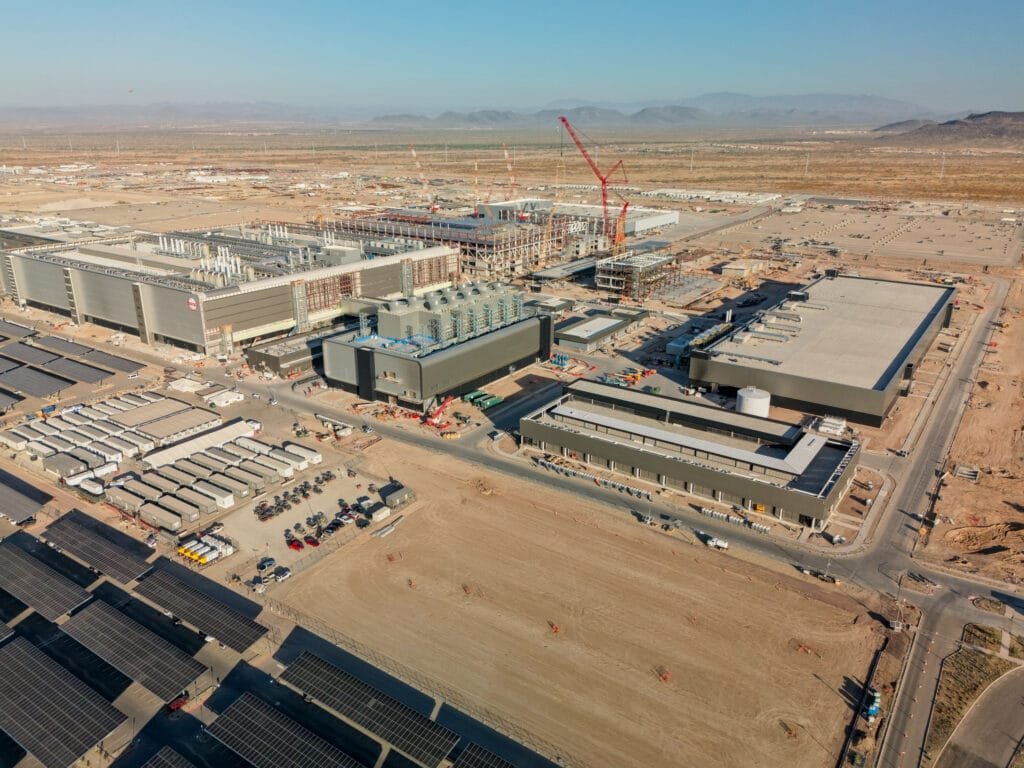
38. Microchips Have Become Arizona’s Newest Signature Product — Motorola began semiconductor operations in Arizona during the 1940s, and Intel opened its first state fabrication plant in 1979. Since 2020, semiconductor companies have announced more than 70 Arizona expansions representing over $314 billion in planned investment, according to the Arizona Commerce Authority.
39. Aircraft and Defense Manufacturing Thrive in the Desert — Arizona’s open airspace, military installations, universities, dry climate, and established supply chain have attracted aerospace companies for decades. Since 2020, the state has secured more than 62 aerospace and defense expansions representing over $3.3 billion in investment and more than 18,400 projected jobs.
40. A 336-Mile Aqueduct Lifts Water Nearly 3,000 Feet — The Central Arizona Project carries Colorado River water from Lake Havasu toward Phoenix and Tucson. Its system includes 14 pumping plants, three tunnels, and ten siphons, moving water uphill across the desert to cities, farms, and tribal communities.
Amazing Facts About Arizona: History
41. Ancient Desert Farmers Built Hundreds of Miles of Canals — Beginning many centuries before Europeans arrived, ancestral Sonoran Desert communities engineered extensive irrigation networks along the Salt and Gila rivers. These canals supported large settlements and fields of corn, beans, squash, cotton, and tobacco in an environment where agriculture depended on carefully managed water.
42. Arizona Passed From Indigenous Homelands to Spain, Mexico, and the United States — Spanish expeditions entered the region during the 1500s, but Native nations retained control across much of the land. Modern Arizona was divided between territory acquired by the United States after the Mexican-American War and the southern strip purchased from Mexico through the 1853–1854 Gadsden Purchase.
43. Arizona’s Territorial Capital Moved Three Times — Congress created the U.S. Territory of Arizona in 1863 from the western portion of New Mexico Territory. Its capital began at Prescott, shifted to Tucson in 1867, returned to Prescott in 1877, and finally moved to Phoenix in 1889, where it remained when Arizona achieved statehood.
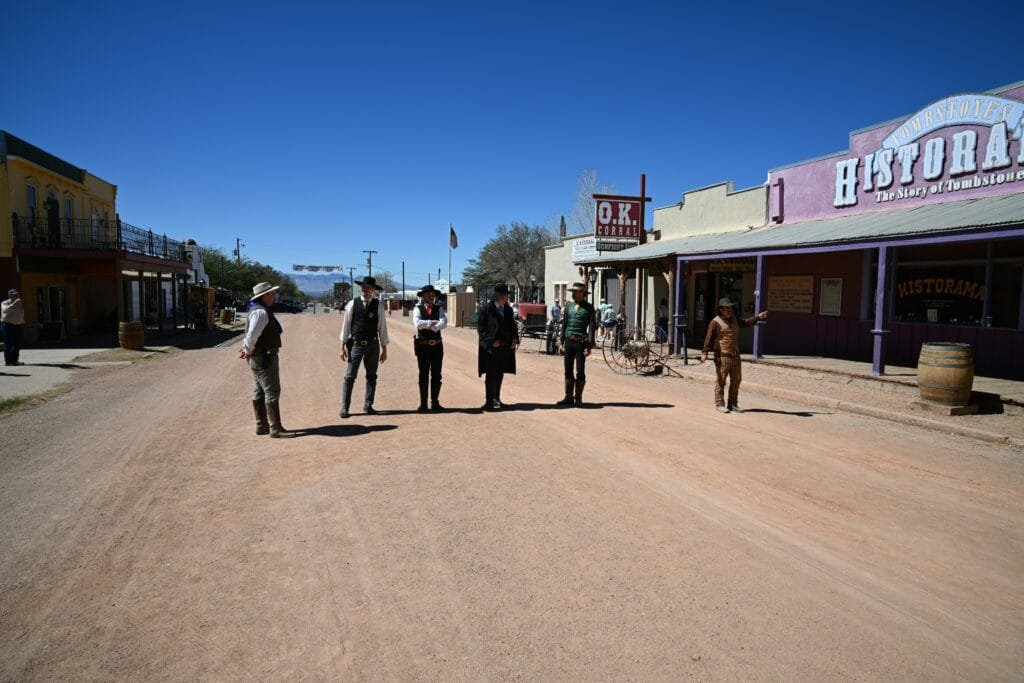
44. The Gunfight at the O.K. Corral Lasted About 30 Seconds — On October 26, 1881, lawmen Virgil, Morgan, and Wyatt Earp, joined by Doc Holliday, confronted members of the Clanton and McLaury families in Tombstone. Approximately 30 shots were fired, three men were killed, and the brief encounter became one of the Old West’s most mythologized events.
45. Roosevelt Dam Helped Transform the Salt River Valley — Completed in 1911, Theodore Roosevelt Dam stored water for farms and helped control destructive flooding along the Salt River. Its reservoir and irrigation system supported the growth of agriculture and cities around Phoenix, demonstrating how large federal water projects could reshape the arid American West.
46. Arizona Became a State on Valentine’s Day — President William Howard Taft signed Arizona’s statehood proclamation on February 14, 1912. Arizona entered the Union as the 48th state and the last of the contiguous states, giving it the lesser-known nickname “the Valentine State.”
47. The USS Arizona Became a Lasting Symbol of Pearl Harbor — The battleship named for the state exploded and sank during Japan’s attack on Pearl Harbor on December 7, 1941. Of the 1,177 sailors and Marines killed aboard, many remain inside the wreck, which is preserved beneath the USS Arizona Memorial in Hawaii.
48. Navajo Marines Created a Code the Enemy Never Broke — During World War II, Navajo Code Talkers transmitted military messages using a code built around the Navajo language. Many came from communities in Arizona and neighboring states, and their rapid, secure communications supported Marine operations across the Pacific, including the battle for Iwo Jima.
49. Nearly 18,000 Japanese Americans Were Imprisoned at Poston — The federal government operated three incarceration camps on the Colorado River Indian Reservation during World War II. Families lived in crude barracks under harsh desert conditions, yet created schools, churches, gardens, a hospital, and community organizations while being detained without individual trials.
50. A Phoenix Arrest Changed Police Procedure Across America — Ernesto Miranda was arrested and interrogated by Phoenix police in 1963 without being clearly informed of his constitutional rights. In Miranda v. Arizona in 1966, the U.S. Supreme Court ruled that suspects in custodial interrogation must be told about their right to remain silent and their right to an attorney.